Tanker Captains Earn $100,000 a Month to Navigate the Strait of Hormuz — 'Almost Like Mercenaries'
The high-risk, high-reward business of moving oil through the Persian Gulf has gotten riskier and more rewarding, with freight rates hitting records as Iran ramps up ship attacks.

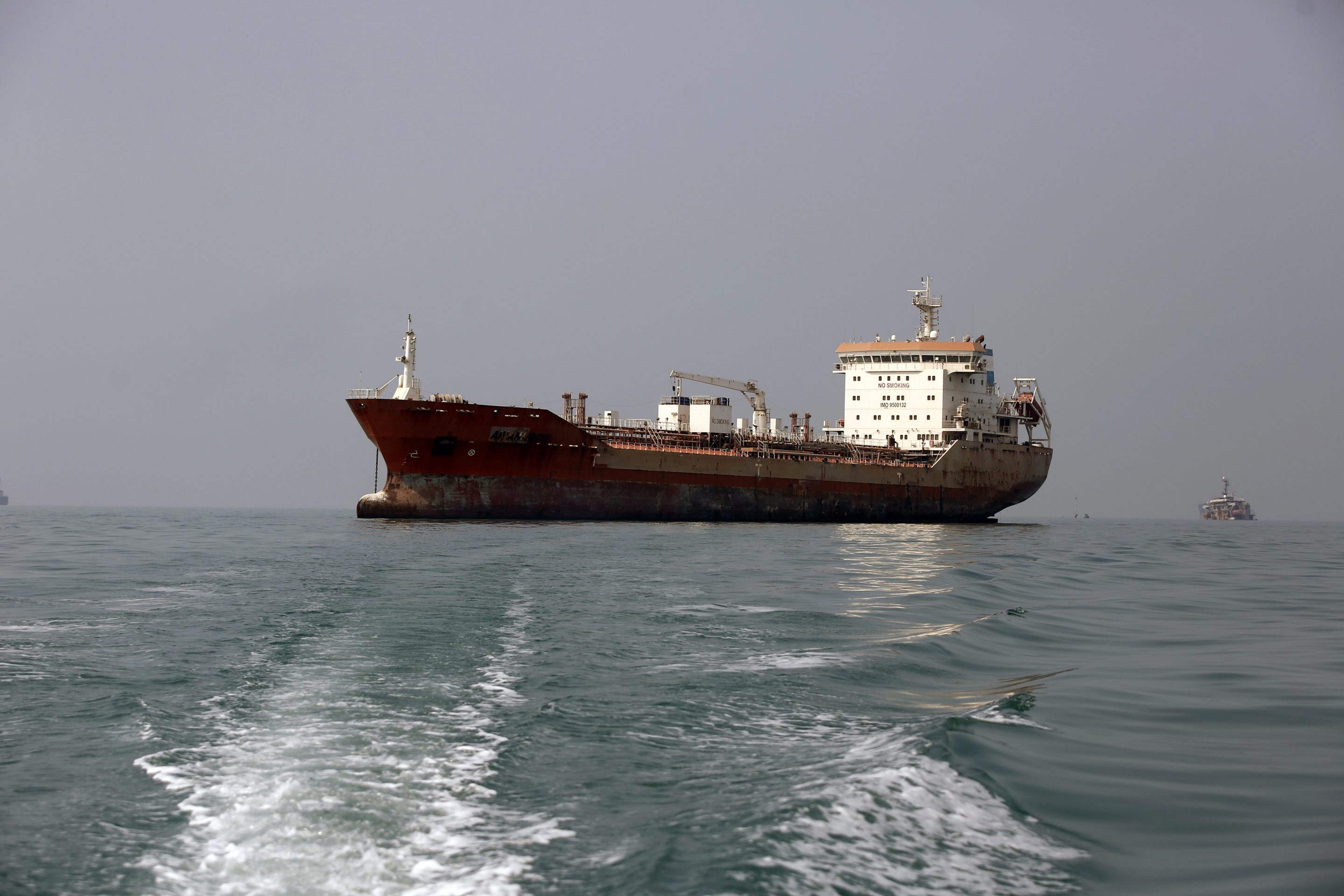
DUBAI — Tanker captains transiting the Strait of Hormuz can now earn $100,000 per month plus a $50,000 bonus for each trip, a dramatic increase driven by escalating Iranian attacks on shipping in the critical oil chokepoint.
The danger pay — up from regular monthly pay of about $15,000 — reflects the growing threat from Iran, which has increased drone and missile strikes on commercial vessels in the Gulf. Since the Iran war began on February 28, at least 93 ships have been hit and 24 sailors killed, according to the International Maritime Organization.
The surge in attacks has not deterred shipping through the strait. Tankers continue to transit the waterway, often making shuttle runs in and out of the Gulf to offload cargoes via ship-to-ship transfers. "Those brave enough to stomach the near-constant threat of attacks are almost being viewed as mercenaries," a shipping source told the Financial Times.
Freight rates for cargoes crossing the strait have hit a record high of $1.3 million per day, up from last year's $20,000-$50,000 daily rate. The global tanker shortage created by the demand for additional vessels has sent freight rates soaring worldwide — hiring a tanker from the U.S. to China now costs about $80 million, more than the $74 million price tag for a standard SpaceX Falcon 9 launch.

Other hot spots also offer hazard enhancements, though at lower rates than Hormuz. Captains and sailors receive double pay in the southern Red Sea, where Houthis have been attacking Saudi ships, and in the Gulf of Oman where many ship-to-ship transfers take place after Hormuz shuttle runs.
Shipping costs have become so extreme that oil producers and commodities traders are considering owning their own tankers to control expenses. However, if freight costs rise too high, they could erode the profit margins from oil and refined fuels — European refiner Repsol saw its margin drop from $36 per barrel in Q3 to $15 in October, according to RBC analysts.

Continue reading with a subscription
Get unlimited access to all articles and exclusive content.
Get more articles like this in your inbox
Sign up for our daily newsletter and never miss a story.