Waste Plastic Transformed into Parkinson's Drug by Beneficial Bacteria
Innovative study reveals a method to repurpose plastic waste into valuable pharmaceuticals.

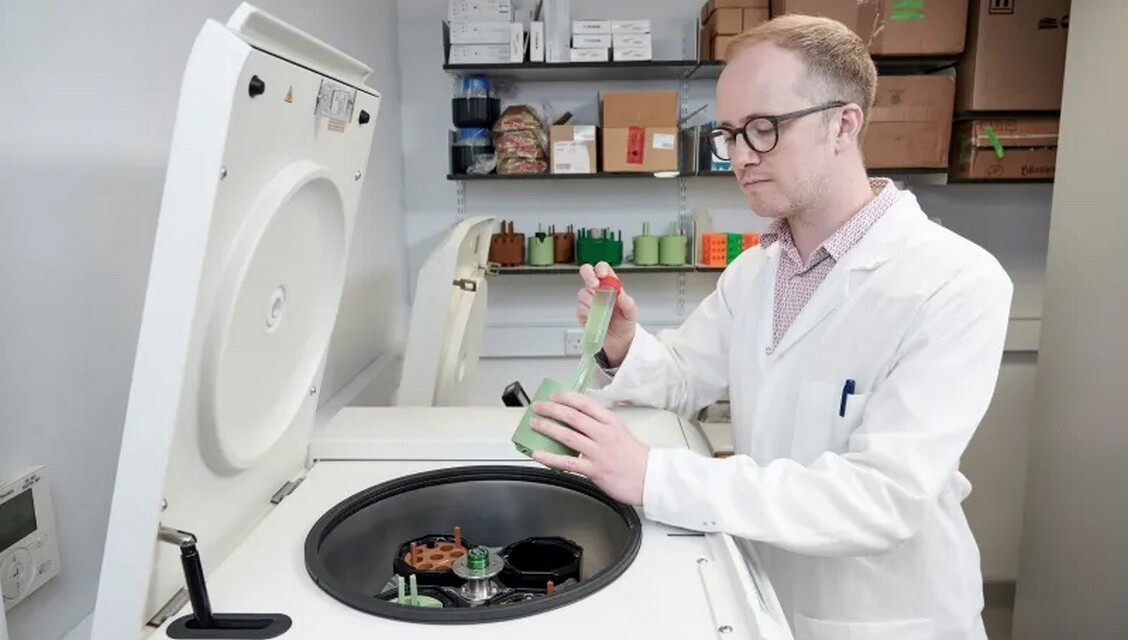
Researchers from the University of Illinois have made a groundbreaking discovery in the field of biotechnology, demonstrating that certain bacteria can convert waste plastic into a precursor for a drug used to treat Parkinson’s disease.
The study highlights the potential for microorganisms to not only help tackle the growing issue of plastic pollution but also to aid in the production of essential medicines. The process involves the bacteria breaking down polyethylene terephthalate (PET), a common plastic found in bottles and containers, into simpler compounds.
These compounds then serve as building blocks for the synthesis of L-DOPA, a well-known medication that alleviates symptoms of Parkinson's by replenishing dopamine levels in the brain. As plastic waste continues to accumulate globally, this research offers a dual solution: reducing environmental impact while creating an important pharmaceutical.

Lead researcher Dr. Susan H. Hurst stated, “Our findings open up exciting new avenues in both waste management and drug development. This could usher in a new era of sustainable pharmaceuticals derived from recycled materials.” The study has been met with optimism from both environmental scientists and the medical community.
With further research and development, this method could revolutionize how industries approach both drug manufacturing and plastic waste, paving the way for a cleaner and more sustainable future.

Continue reading with a subscription
Get unlimited access to all articles and exclusive content.
Get more articles like this in your inbox
Sign up for our daily newsletter and never miss a story.