The Politics of Saying the Unsayable
Like Compulsions To Insult The Dead

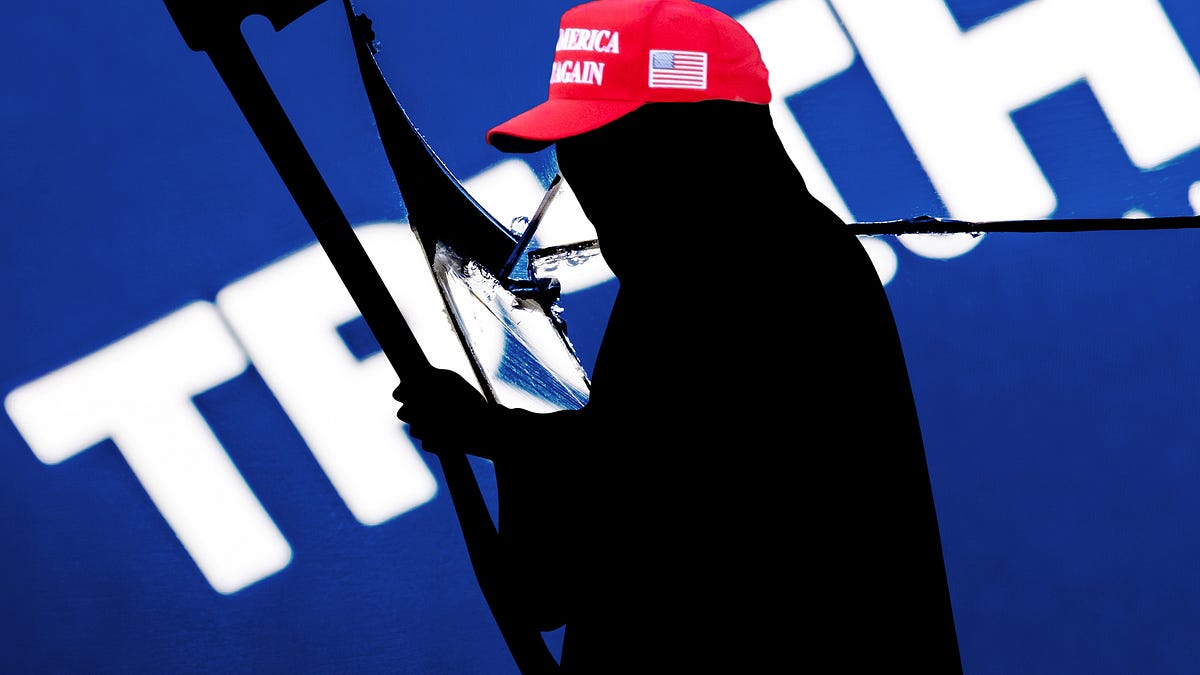
There’s a pattern that’s become difficult to ignore.
Moments that most public figures would treat with restraint—death, tragedy, or collective loss—are instead being pulled into the political arena.
Not quietly. Not indirectly. But openly.
And often with language designed to provoke a reaction.
President Donald Trump has repeatedly shown a willingness to cross lines that have historically been left intact.
Including one of the most basic: don’t speak ill of the dead.
It’s easy to interpret this as impulsive.
Or emotional.
But that may be missing the point.
Because in modern political media environments, attention is not evenly distributed.
It is captured.
And one of the most reliable ways to capture it is to say something that others won’t.
Breaking norms isn’t just a side effect.
It’s a mechanism.

Each time a boundary is crossed, the reaction becomes part of the message.
Criticism amplifies it.
Outrage extends it.
And the original statement—no matter how controversial—reaches a wider audience than it otherwise would.
This doesn’t mean the approach is without cost.
It shifts expectations.
It changes tone.
And over time, it resets what is considered acceptable in public discourse.
The question isn’t whether it works in the short term.
It often does.
The question is what happens when the boundaries themselves stop holding.
Because once certain lines are crossed often enough, they don’t disappear.
They move.

Continue reading with a subscription
Get unlimited access to all articles and exclusive content.
Get more articles like this in your inbox
Sign up for our daily newsletter and never miss a story.