Ray-Ban Meta Gen 3 vs. Gen 2: An Iterative, $449 Upgrade
Longer battery, more microphones, and new frame styles come with a $70 price jump, while most software features also arrive on older models.

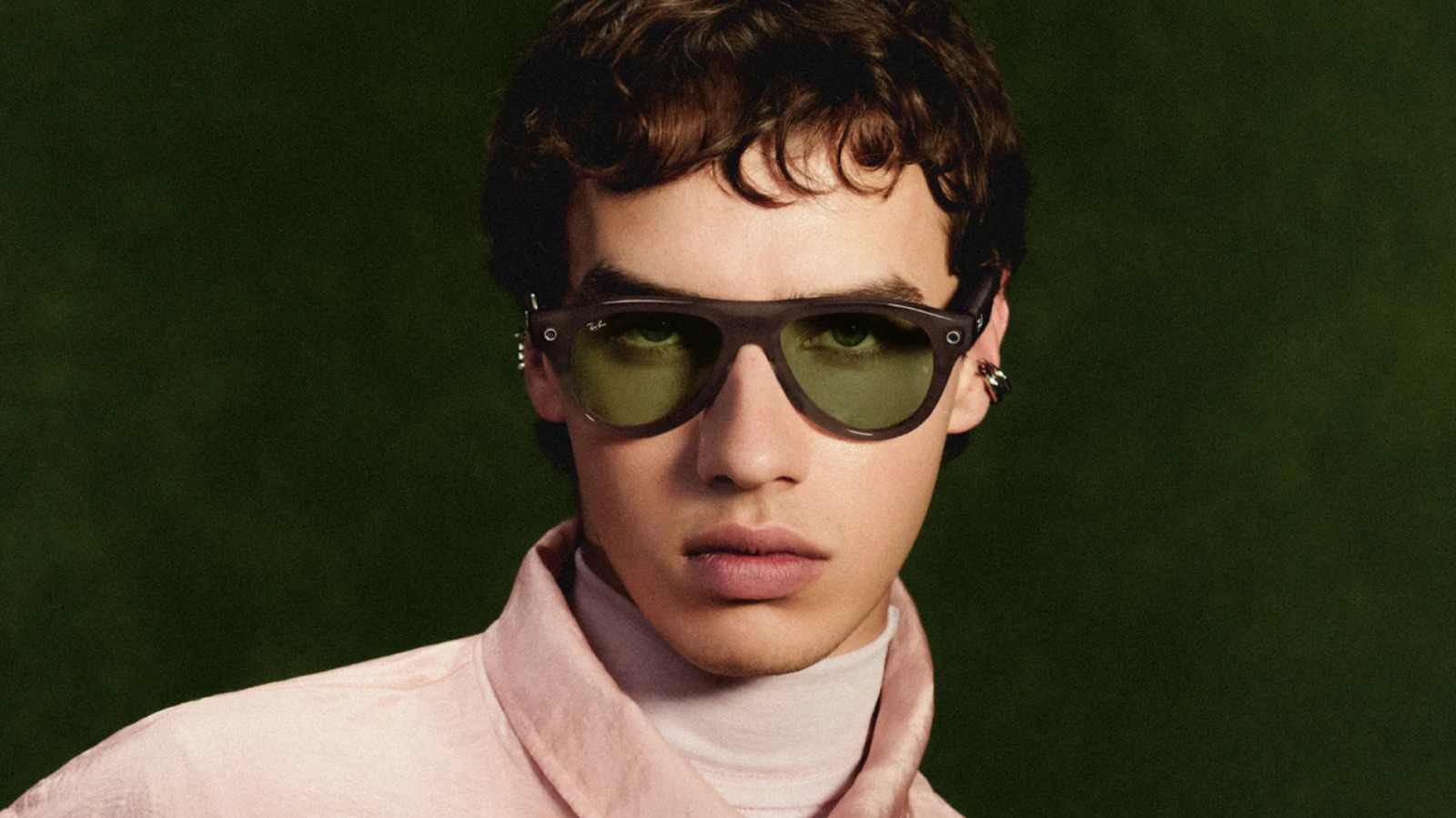
Meta announced the Ray-Ban Meta Gen 3 at Meta Connect 2026, keeping the Ray-Ban Meta line as its flagship smart glasses while adding a $449 starting price. The new model is an iterative hardware update rather than a reinvention, with many changes delivered through software.
The practical question for buyers is how the Gen 3 differs from the Ray-Ban Meta Gen 2, especially since the price is $70 higher. Much of what Meta introduced will also reach older Gen 2 glasses, making the comparison less about exclusive hardware and more about modest refinements.
Battery life is one of the clearest upgrades. Meta says the Gen 3 lasts up to 9 hours on a charge, one hour more than the Gen 2, and up to 50 hours with its charging case, compared with 48 hours for the previous model. Whether that translates into noticeable day-to-day gains will require a full review.
The Gen 3 also moves to a six-microphone array, one more mic than the Gen 2. Meta credits the extra mic and a redesigned layout with better background noise reduction for calls and AI interactions, though that claim still needs real-world testing.
One possible differentiator tied to the new microphone setup is support for listening to and recording Dolby Atmos spatial audio, a feature Meta says is launching later in 2026. The company frames it as a way the Gen 3 could stand out from the Gen 2.
Meta has also ported the action button from the Ray-Ban Meta Optics and Meta Glasses to the Gen 3. The button can summon Meta AI, act as a capture button, or be assigned as a shortcut for other Ray-Ban Meta features. The Gen 2's capture button is limited to camera functions.

Frame selection is another change. Two new styles join the lineup: the Ray-Ban Meta (Gen 3) Aviator, with thick frames in translucent and tortoiseshell colors, and the Ray-Ban Meta (Gen 3) Zena, a cat-eye shape in translucent, black, and tortoiseshell options. For now, the Wayfarer is the only Gen 2 frame shape carrying over.
The new models are slightly smaller. Comparing the Wayfarer versions, the Gen 2 measures 131mm from hinge to hinge, while the Gen 3 is 129mm; temples are 149mm on the Gen 3 versus 150mm on the Gen 2. Weight rises marginally from 51 grams to 51.5 grams.
Most software features announced alongside the Gen 3 will also be available on Gen 2 glasses, including the FDA-cleared hearing enhancement feature, the Muse AI agent, and dynamic photo capture, which takes multiple shots and lets users choose the best framing.
At $449 — $70 more than the Ray-Ban Meta Gen 2 — the Gen 3 may be a strong entry point into Meta's growing smart glasses ecosystem, but current owners and bargain hunters may find a used Gen 2 pair to be the better deal, assuming a prescription is not required.
Reporting by Engadget. Read the original report: Ray-Ban Meta Gen 3 vs. Ray-Ban Meta Gen 2: How these AI glasses compare.

Continue reading with a subscription
Get unlimited access to all articles and exclusive content.
Get more articles like this in your inbox
Sign up for our daily newsletter and never miss a story.