Nasal Swab Shows Promise in Early Detection of Alzheimer’s
Duke University researchers explore a new diagnostic method that could revolutionize Alzheimer's screening.

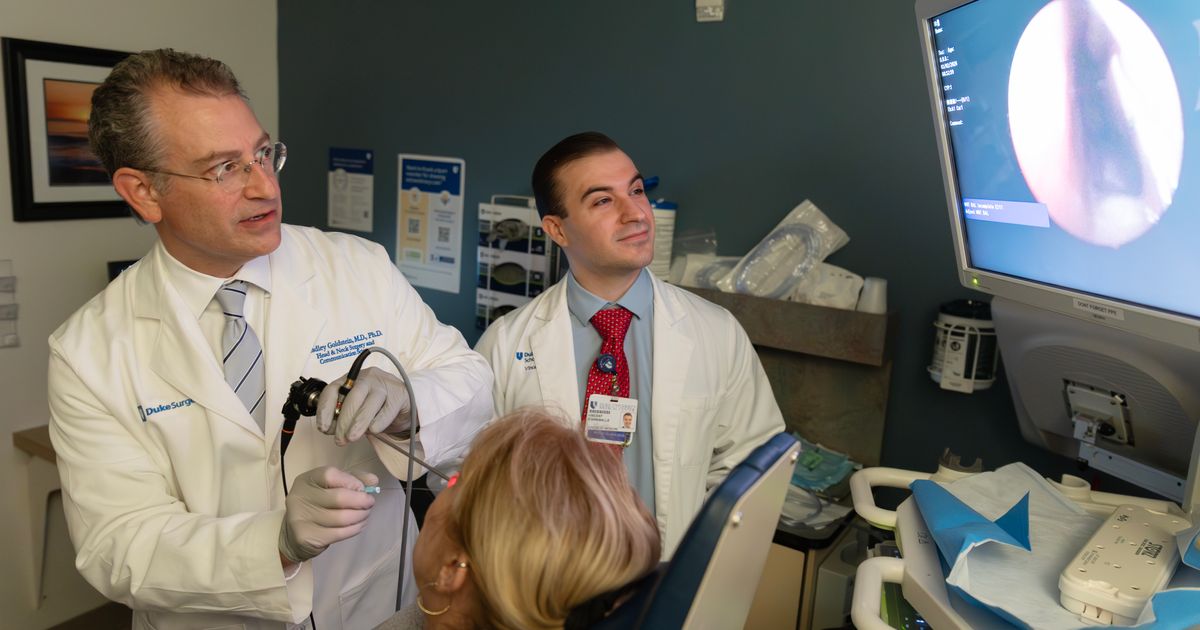
Researchers at Duke University have unveiled an innovative approach for the early detection of Alzheimer’s disease using a simple nasal swab. This groundbreaking study, still in its preliminary stages, aims to provide a non-invasive alternative to current diagnostic methods that are often invasive and costly.
The research team posits that biomarkers present in nasal mucosa could serve as effective indicators of Alzheimer’s pathology. By analyzing samples from individuals diagnosed with the disease alongside healthy subjects, the researchers seek to establish a clear correlation between nasal swab results and traditional diagnostic criteria.
Currently, Alzheimer’s is primarily diagnosed through cognitive assessments and brain imaging techniques, which can be both expensive and stressful for patients. The advent of a nasal swab test could significantly reduce barriers to early diagnosis, facilitating timely intervention and potentially improving patient outcomes.

Preliminary results from the study are promising, although further research is required to validate the findings and understand the underlying mechanisms. As the team continues its work, they express hope that this method could soon lead to routine screenings for Alzheimer’s, similar to current practices for other diseases.
The implications of such a development could not only enhance diagnosis but also contribute to broader public health strategies in addressing the growing prevalence of Alzheimer’s, with over six million Americans currently affected by the condition.

Continue reading with a subscription
Get unlimited access to all articles and exclusive content.
Get more articles like this in your inbox
Sign up for our daily newsletter and never miss a story.